A garden invites us to pay attention. There are new leaves to notice, flowers opening in the morning light and small visitors going about their work. Some are familiar and welcome. Others make us pause. The paper wasp is one of those visitors: easy to recognize as a wasp, but perhaps less easy to appreciate at first glance.
Meet the paper wasp
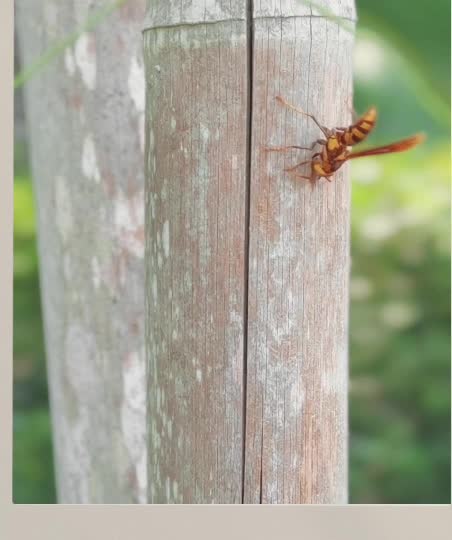
The accompanying video introduces a paper wasp labeled Polistes major. Several species belong to the Polistes group, and distinguishing them can require a closer examination than a short video allows. This story focuses on the garden role of paper wasps as a group, rather than treating the species label as a confirmed identification.
An unexpected garden helper
Paper wasps hunt caterpillars and carry prey back to feed their developing young. That activity can help reduce some plant pests. It also reminds us that a garden has many relationships: a caterpillar may be feeding on a leaf while a wasp is searching for food for its colony. These insects do not distinguish between the caterpillars we consider pests and those we hope will become butterflies.
Where pollination fits in
Adult paper wasps also visit flowers for nectar and can contribute to pollination. Their role as predators is a central reason gardeners consider them beneficial. That is why “garden visitors” is a helpful way to introduce them: it leaves room to appreciate both their flower visits and their place in the garden’s food web.
The story behind the paper
Their name comes from their nests. Paper wasps combine gathered wood fibers with saliva to form a paperlike material. Their open nests hold cells in which the next generation develops. You may find them attached beneath eaves or other sheltered places, and sometimes among plants. There is remarkable craftsmanship in something so small.
Appreciation with a respectful distance
Observe without touching, swatting or disturbing a nest. Paper wasps can sting when threatened, so give them space and keep children and pets away from active nests. Before reaching into dense planting or pruning, look for insect activity. If a nest is close to a doorway, a frequently used sitting area or someone with a sting allergy, seek advice from a qualified pest professional.
A small practice in intentional gardening
The next time you step outside, spend a quiet minute noticing what is moving among your plants. You need not approach an insect closely to learn from it. A photograph taken from a comfortable distance, a note about the flower it visits or simply a few moments of observation can deepen your understanding of the space you tend. Let curiosity become part of your gardening routine.
A thriving garden offers beauty in its flowers and interest in the life around them. As we learn the names and habits of its visitors, we become more attentive caretakers of the place we call home. Dwell with intention. Flourish with purpose.