Hospitality is not a reveal. It is a relationship. The goal is not to prove that the home is ready; it is to help another person feel that they belong there.
Prepare the first five minutes
Clear the entrance, decide where coats and bags will go and have a drink ready to offer. A smooth arrival helps everyone settle.
Serve what lets you stay present
Choose food that does not keep you hidden in the kitchen. Guests would rather have your company than a complicated menu.
Give the room a gentle center
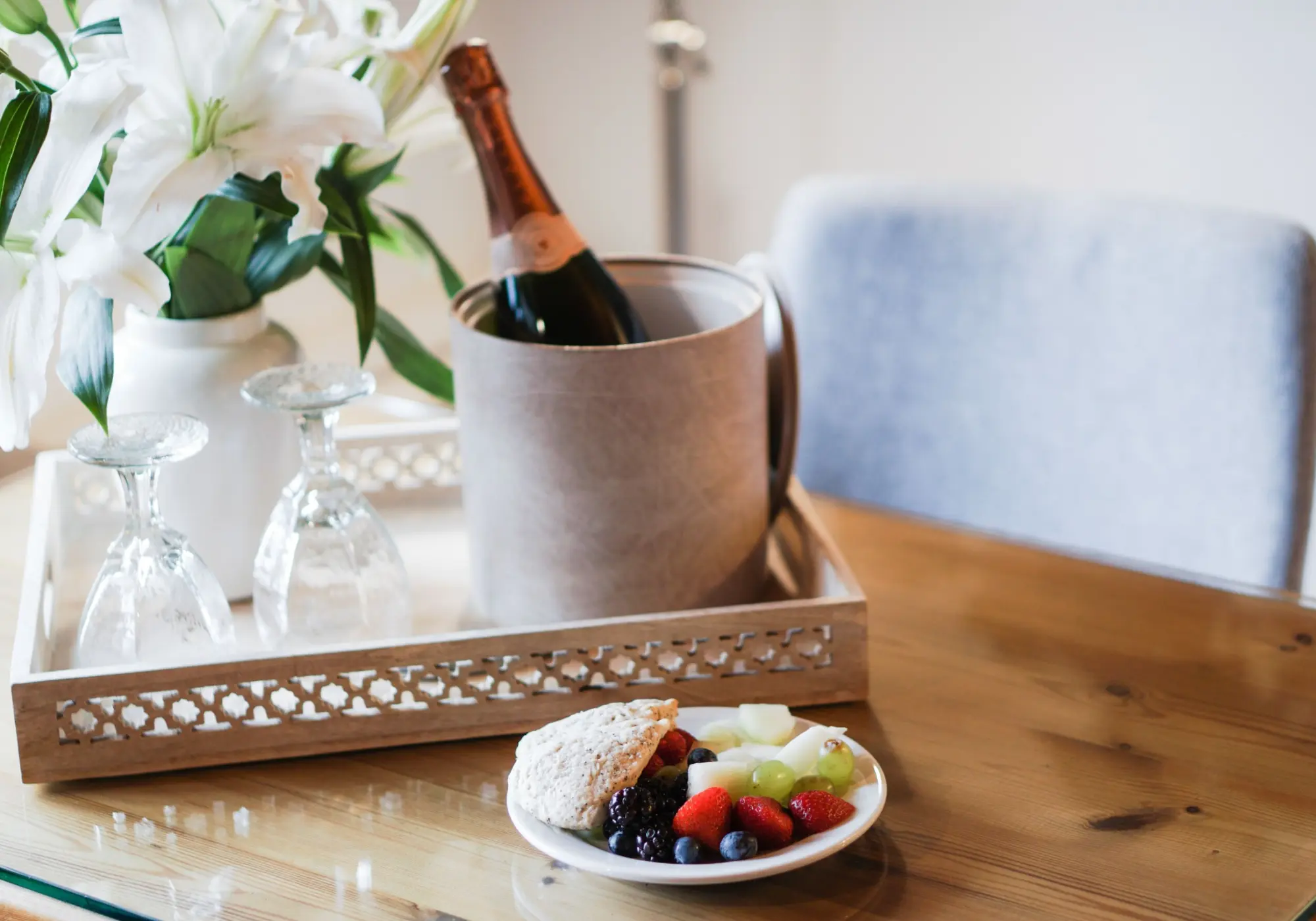
Flowers, candles, music or a beautifully set tray can signal the mood. One considered focal point is enough.
Welcome the person, not the occasion
Ask about preferences before planning the menu. Remember what makes someone comfortable, what they cannot eat and whether they would enjoy helping in the kitchen. Thoughtfulness is more hospitable than spectacle because it communicates that the gathering was prepared with real people in mind.
Leave room for the evening to become itself
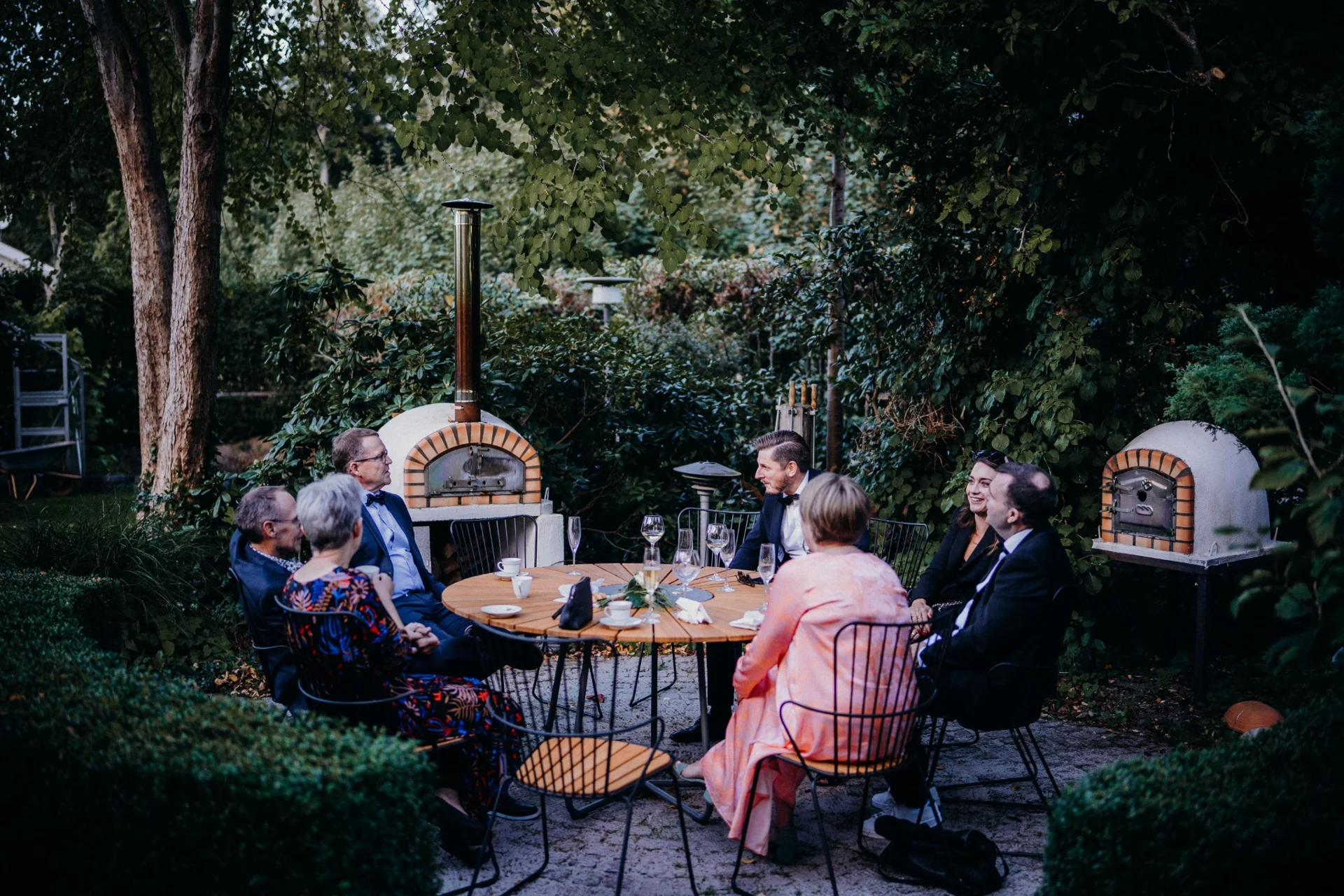
Do not schedule every minute. Let dinner stretch, move dessert to another room or remain at the table when the conversation deepens. The best gatherings often contain an unscripted hour in which everyone forgets to look at the time.
Begin before the house feels ready
Invite one person for coffee, soup or a simple afternoon visit. Prepare only what will help you remain present. Close the doors to rooms that do not matter, light a candle and receive your guest warmly. Hospitality grows through practice. Each uncomplicated welcome loosens the belief that connection must wait until the house, menu or host is perfect.