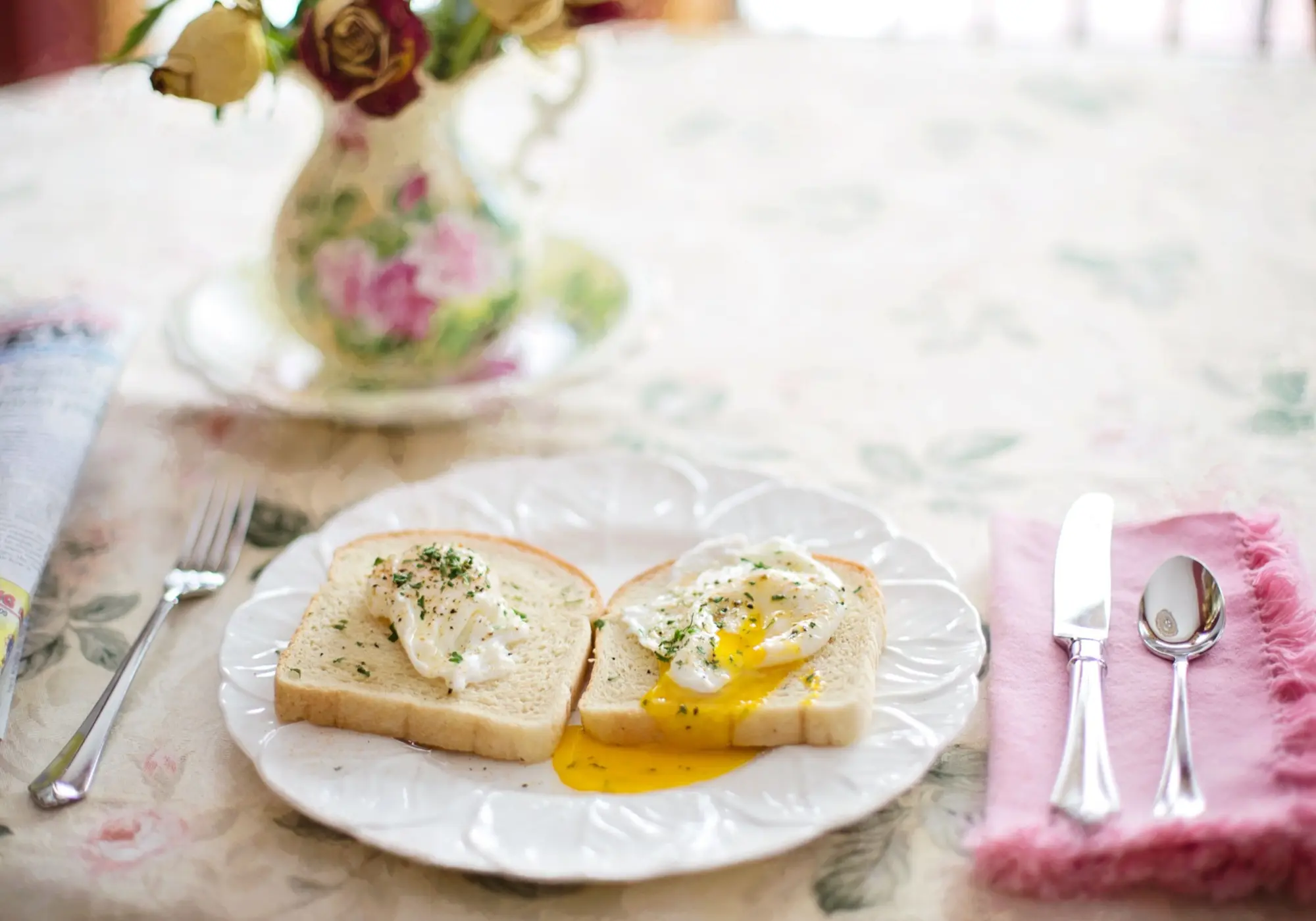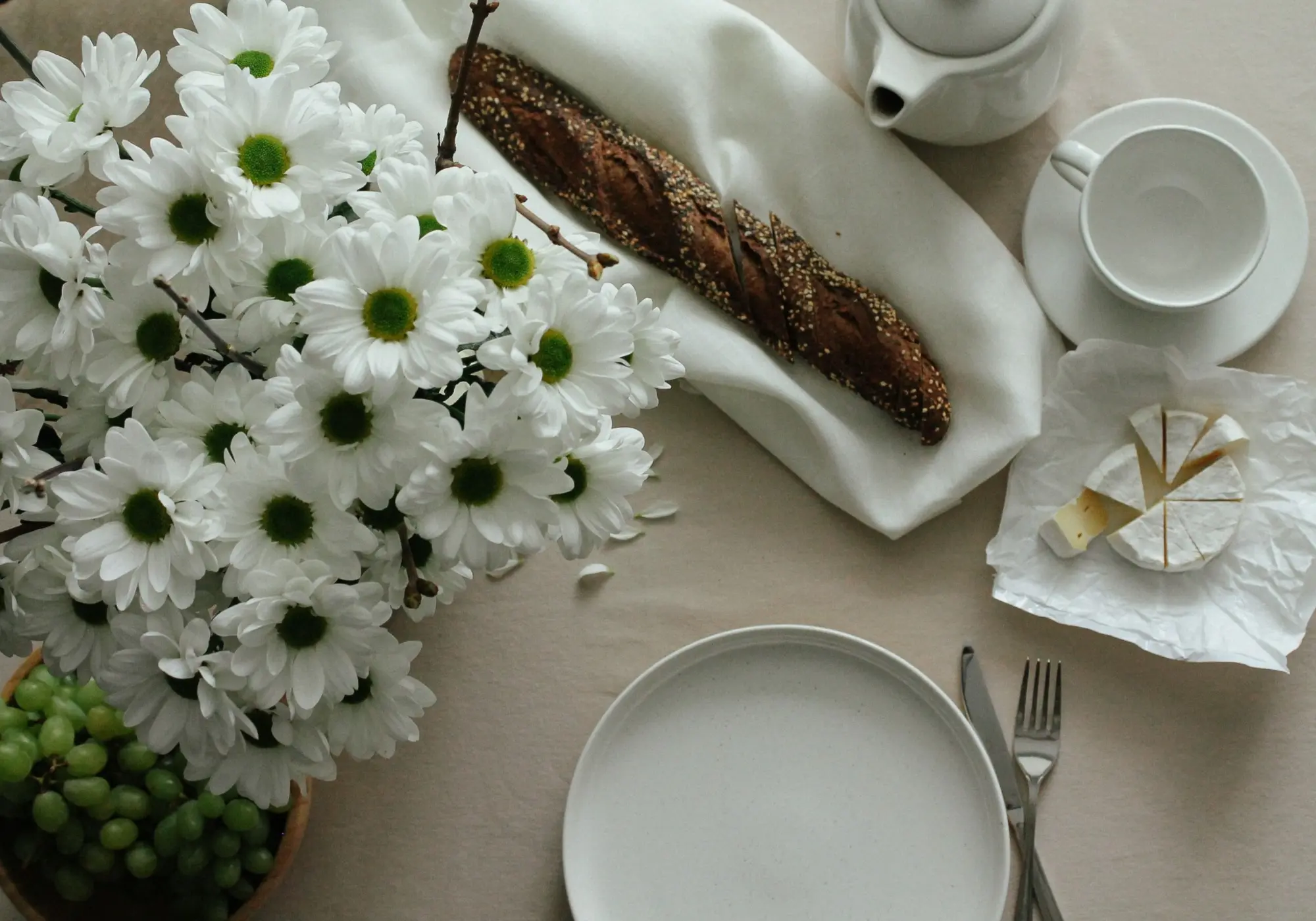
The everyday table is where care becomes tangible. It can hold a bowl of fruit, a simple supper, morning scripture or a conversation that needs time.
Start with one generous thing
A pot of soup, a composed salad or warm bread can anchor the meal. Everything else may remain simple. Generosity is felt more through ease and abundance than complication.
Set the table before you are tired
A few minutes earlier in the day can change the whole evening. Put out plates, water glasses and a cloth napkin. The gesture turns feeding ourselves into receiving a meal.
Let conversation have room
Move phones away, lower the music and ask one good question. The meal becomes memorable when everyone feels there is space to be heard.
Use the things you have been saving
The good bowl, linen napkins and grandmother's serving spoon were made to participate in life. Bringing one treasured piece into an ordinary meal gives the table history without making it formal. Use it, wash it carefully and let its beauty earn new memories.
Allow the table to mark time
Let citrus signal winter, tomatoes announce summer and a clipped branch reveal the season outside. This is not decoration for its own sake. Seasonal food and simple natural elements remind us that nourishment is received within a larger rhythm we did not create.
Let the ordinary meal matter
For one week, sit down for one meal each day—even if you are dining alone. Use a real plate, pour water into a glass and pause before the first bite. The practice is small, but it interrupts the habit of treating nourishment as an inconvenience. A table becomes meaningful through repeated attention, not through rare perfection.